Featured
Table of Contents
That maximizes cash in the brief term, and you may have 3 to four years to save toward the negotiation amount. Very dangerous to credit history scores, largely due to missed out on repayments and a negative "resolved" mark that can remain on your credit rating record for approximately 7 yearsMay be only choice if other options (financial obligation loan consolidation, balance transfer bank card, financial obligation mercy) aren't possibleTypically requires a fee to the third party, which can counter some or every one of the savings from debt settlementMay aid you stay clear of insolvency if you have actually missed a number of paymentsNot all creditors deal with debt settlement business Financial obligation mercy might be appropriate for you if you are experiencing a financial hardship that makes it nearly difficult to pay down your debt equilibriums.
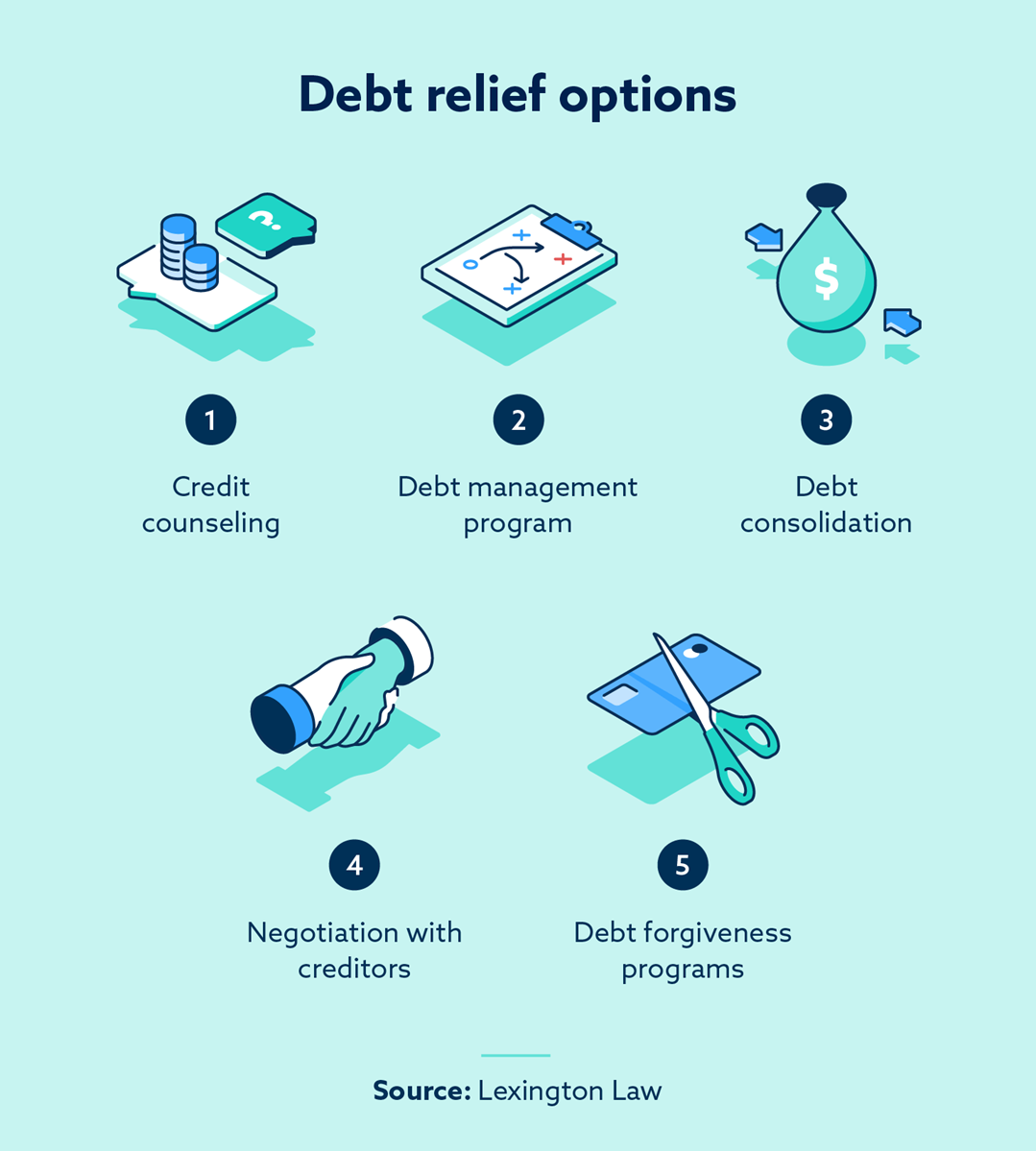
With a DMP, you make one month-to-month repayment to the credit scores counseling firm. Those funds are then dispersed to creditors of your unprotected financial debts, such as debt cards and installment car loans. The agency deals with your creditors to decrease rates of interest or forgo charges, however some creditors might decline such concessions.
It can aid you pay down financial debt if you're able to secure a financing price that's reduced than the ordinary price of the accounts you're consolidating. You have to refrain from racking up financial debt on those freshly cleared accounts or your financial obligation could grow even greater.
That gives you plenty of time to eliminate or considerably minimize your balance while making interest-free settlements.
Shielding Yourself Against Fraudulent Companies for Beginners
You may require it if your creditor or a debt collection agency ever before attempts to gather on the financial obligation in the future. The letter might prove you do not owe what the debt collection agency's records reveal. Yes, in many cases, the internal revenue service takes into consideration forgiven financial debt as taxed revenue. When a lending institution forgives $600 or even more, they are called for to send you Form 1099-C.
Debt mercy or settlement generally hurts your credit. Anytime you clear up a debt for less than you owe, it may show up as "worked out" on your credit score report and influence your credit history for seven years from the date of settlement. Your debt can likewise drop substantially in the months causing the mercy if you fall behind on settlements.
Hidden Costs to Watch For Things To Know Before You Buy
Tax obligation debt compromise programs Tax obligation financial obligation happens when the quantity of tax obligations you owe exceeds what you have paid. This circumstance frequently arises from underreporting revenue, not submitting returns in a timely manner, or inconsistencies found during an IRS audit. The effects of collecting tax debt are significant and can consist of tax obligation liens, which give the IRS a legal case to your residential property as protection for the debt.
Earnings and Bank Accounts Internal revenue service can impose (seize) incomes and financial institution accounts to satisfy the debt. Residential or commercial property Seizure In extreme instances, the IRS can confiscate and sell property to cover the debt.
Social Stigma Dealing with legal action from the Internal revenue service can bring social stigma. Employment Opportunities A bad credit history rating due to tax debt can restrict work opportunities. Federal government Benefits Tax financial debt may influence qualification for government advantages, such as Social Safety and Medicaid.
Not known Details About Why Professional Guidance Can Help
The OIC thinks about a number of variables, consisting of the taxpayer's revenue, expenses, asset equity, and ability to pay. Effectively discussing an OIC can be intricate, requiring a complete understanding of the IRS's guidelines and a solid disagreement for why your deal aligns with your capacity to pay. It is essential to note that not all applications are approved, and the procedure needs in-depth monetary disclosure.
The IRS analyzes your overall monetary circumstance, including your earnings, costs, asset equity, and ability to pay. You have to likewise be present with all declaring and settlement demands and not remain in an open personal bankruptcy case. The IRS also considers your conformity history, examining whether you have a record of prompt declaring and paying taxes in previous years.
What to Expect for Accredited Counseling Help - The Facts
The application procedure for a Deal in Concession entails numerous detailed steps. You should finish and send IRS Form 656, the Offer in Compromise application, and Form 433-A (OIC), a collection information statement for individuals. These types call for thorough economic information, including information about your earnings, financial obligations, expenses, and properties.
Back tax obligations, which are unpaid taxes from previous years, can dramatically enhance your total internal revenue service financial obligation otherwise resolved promptly. This financial debt can accrue rate of interest and late payment charges, making the original quantity owed a lot larger in time. Failure to repay tax obligations can lead to the internal revenue service taking enforcement activities, such as providing a tax obligation lien or levy versus your residential or commercial property.
It is essential to deal with back taxes as quickly as possible, either by paying the sum total owed or by preparing a repayment strategy with the internal revenue service. By taking aggressive steps, you can prevent the build-up of extra passion and fines, and protect against extra hostile collection actions by the internal revenue service.
One usual factor is the belief that the taxpayer can pay the total either as a swelling amount or with a layaway plan. The internal revenue service also considers the taxpayer's income, expenditures, asset equity, and future earning possibility. If these variables show that the taxpayer can manage to pay more than the used amount, the IRS is likely to decline the deal.
The Best Strategy To Use For Understanding Various Relief Programs You Should Know About
Dealing with Internal revenue service financial debt can be complicated and difficult. Tax professionals, such as CPAs, tax attorneys, or registered agents, can supply important help.

Table of Contents
Latest Posts
The 45-Second Trick For Warning Signs While Researching a Bankruptcy Provider
What Sets Quality Counselors Differ in the Industry Can Be Fun For Everyone
The Main Principles Of Medical Debt Forgiveness Pathways
More
Latest Posts
The 45-Second Trick For Warning Signs While Researching a Bankruptcy Provider
What Sets Quality Counselors Differ in the Industry Can Be Fun For Everyone
The Main Principles Of Medical Debt Forgiveness Pathways